
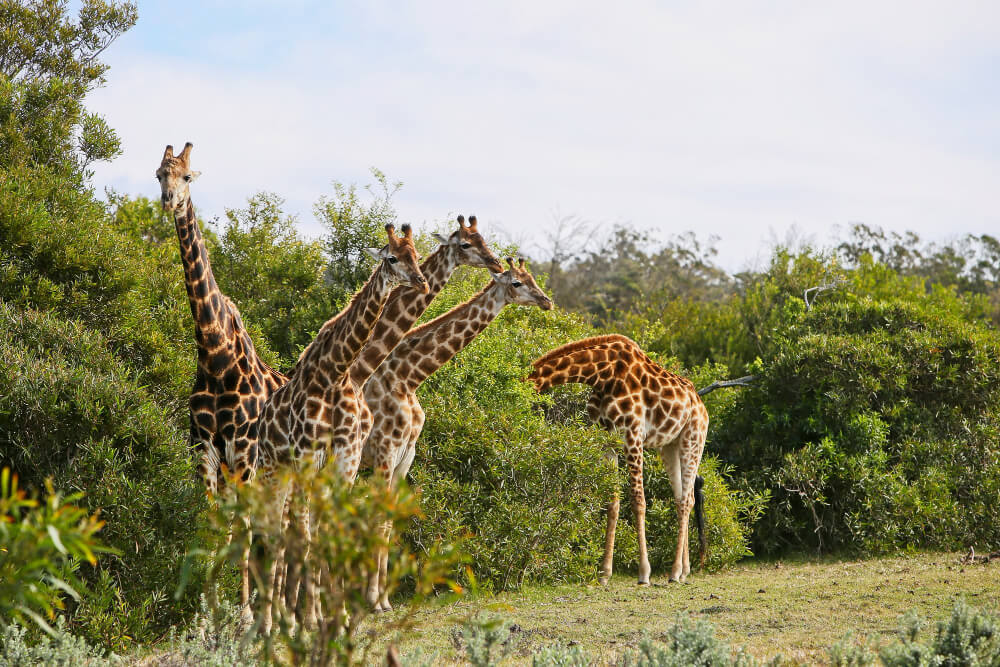
About Queen Elizabeth National Park
Queen Elizabeth National Park is one of Uganda’s most visited and diverse safari destinations, renowned for its abundant wildlife, scenic landscapes, and unique ecological diversity. Located in western Uganda along the Kazinga Channel, the park spans 1,978 square kilometers and combines savannahs, wetlands, crater lakes, and forests.
Visitors are drawn to Queen Elizabeth for its classic East African safari experiences, including game drives, boat safaris, and birdwatching. The park’s proximity to the Rwenzori Mountains and the Kazinga Channel makes it one of Africa’s most scenic and wildlife-rich destinations.
Location and Landscape of Queen Elizabeth National Park
The Kazinga Channel
The Kazinga Channel, connecting Lake George and Lake Edward, is the park’s focal point for aquatic wildlife. Hippos, crocodiles, and waterbirds congregate here, creating one of the most photogenic wildlife settings in East Africa.
Diverse Ecosystems
The National Park includes:
- Savannah plains dotted with acacia and fig trees
- Riverine forests along waterways
- Wetlands and papyrus swamps
- Crater lakes and volcanic cones
This ecological variety supports an impressive array of wildlife and bird species.
Wildlife in Queen Elizabeth National Park
Big Game
The park is home to a wide range of mammals, including:
- African elephants
- Cape buffalo
- Hippos and crocodiles
- Lions, leopards, and hyenas
- Uganda kob and waterbuck
Tree-Climbing Lions
Queen Elizabeth is famous for its tree-climbing lions, primarily in the Ishasha sector. Observing lions lounging in fig trees is a rare and unforgettable safari spectacle.
Birdlife in Queen Elizabeth National Park
Birdwatcher’s Paradise
The park is a haven for birding enthusiasts, with over 600 species recorded. Highlights include:
- African fish eagle
- Shoebill stork
- Great white pelican
- Malachite kingfisher
- Lesser flamingos along the lakeshores
Birdwatching is excellent year-round, particularly along the Kazinga Channel.
Safari Activities in Queen Elizabeth National Park
Game Drives
Classic game drives allow visitors to see wildlife in savannahs, wetlands, and forests. Early mornings and late afternoons are ideal for spotting predators and active herbivores.
Kazinga Channel Boat Safaris
Boat cruises along the Kazinga Channel offer close-up encounters with hippos, crocodiles, elephants, and prolific birdlife. The channel provides one of the best photographic opportunities in East Africa.
Walking Safaris and Nature Trails
Guided walking safaris allow for immersive exploration of forested areas and crater lake surroundings, providing encounters with smaller mammals, primates, and a variety of flora.
Best Time to Visit Queen Elizabeth National Park
Dry Season: June to September and December to February
- Wildlife congregates around water sources
- Roads and trails are easily accessible
- Ideal for game drives and boat safaris
Wet Season: March to May and October to November
- Lush, green landscapes and fewer tourists
- Excellent birdwatching, especially migratory species
- Some roads may be muddy and more challenging
Accommodation in Queen Elizabeth National Park
Lodges and Safari Camps
The park offers accommodation to suit a range of preferences:
- Luxury lodges with Kazinga Channel or savannah views
- Mid-range safari lodges
- Budget campsites and guesthouses
Many lodges provide guided safaris, boat trips, and easy access to park highlights.
Travel Tips for Visiting Queen Elizabeth National Park
Plan Around Wildlife Activity
Focus on early morning and late afternoon game drives for predator sightings and active wildlife.
Pack Essentials
- Binoculars and cameras
- Neutral-colored safari clothing
- Sun protection and hats
- Waterproof shoes for wet season activities
Follow Park Guidelines
Maintain safe distances from animals, follow ranger instructions, and respect conservation rules to protect wildlife and ecosystems.
Why Visit Queen Elizabeth National Park
The National Park offers a complete safari experience, combining classic wildlife viewing with unique features like tree-climbing lions, abundant hippos, and scenic Kazinga Channel cruises. Its ecological diversity, ease of access, and photographic opportunities make it ideal for families, photographers, and first-time safari travelers.
Frequently Asked Questions
What is Queen Elizabeth National Park famous for?
It is renowned for tree-climbing lions, hippos along Kazinga Channel, elephants, and diverse ecosystems.
How many days are ideal for visiting the park?
Two to three days allow visitors to explore both game drives and Kazinga Channel boat cruises.
Can Queen Elizabeth be combined with other Uganda safaris?
Yes, it is commonly combined with Bwindi Impenetrable Forest, Kibale Forest, or Lake Mburo National Park.
Is the park suitable for families and beginner safari-goers?
Yes, its accessibility, wildlife variety, and safe activities make it perfect for all travelers.
Final Thoughts on Queen Elizabeth National Park
The National Park is a must-visit safari destination in Uganda, offering unforgettable wildlife experiences, stunning landscapes, and rich biodiversity. From tree-climbing lions to hippo-filled channels and abundant birdlife, it provides a uniquely scenic and wildlife-rich safari adventure. For travelers seeking a complete East African wildlife experience, the National Park stands out as a highlight of Uganda’s safari circuit.