
About Lake Manyara National Park
Lake Manyara National Park is one of Tanzania’s most diverse and visually stunning safari destinations, renowned for its tree-climbing lions, large elephant herds, and vibrant birdlife. Located at the base of the Great Rift Valley, the park surrounds Lake Manyara, a shallow alkaline lake that attracts thousands of flamingos and waterbirds.
Covering approximately 330 square kilometers, Lake Manyara National Park combines dense forests, open grasslands, swamps, and escarpments, offering a unique safari experience that blends spectacular scenery with rich biodiversity.
Location and Landscape of Lake Manyara National Park
The Great Rift Valley Setting
The park lies at the base of the Rift Valley escarpment, creating dramatic vistas over the lake and surrounding landscapes. Lake Manyara itself fluctuates seasonally, expanding during the rainy season and receding during dry months, influencing wildlife distribution and bird populations.
Varied Habitats
Lake Manyara National Park features diverse ecosystems, including:
- Acacia and riverine forests
- Open savannahs and grasslands
- Swamps and papyrus beds
- Rocky escarpments and cliffs
These habitats support a wide range of mammals, birds, and aquatic species.
Wildlife in Lake Manyara National Park
Elephants and Big Game
The park is home to sizeable elephant herds, often seen feeding along the riverine forests and lake shores. Other wildlife includes:
- Buffaloes and zebras
- Giraffes browsing acacia trees
- Hippos and waterbucks in wet areas
- Baboon troops and vervet monkeys
The compact size of the park allows for close encounters and excellent wildlife photography opportunities.
Predator Species
Lake Manyara is famous for its tree-climbing lions, which often rest on branches overlooking the plains. Other predators include:
- Leopards (elusive, mostly in forested areas)
- Hyenas and jackals
Sightings of tree-climbing lions provide one of Africa’s most unique safari experiences.
Birdlife in Lake Manyara National Park
A Birdwatcher’s Paradise
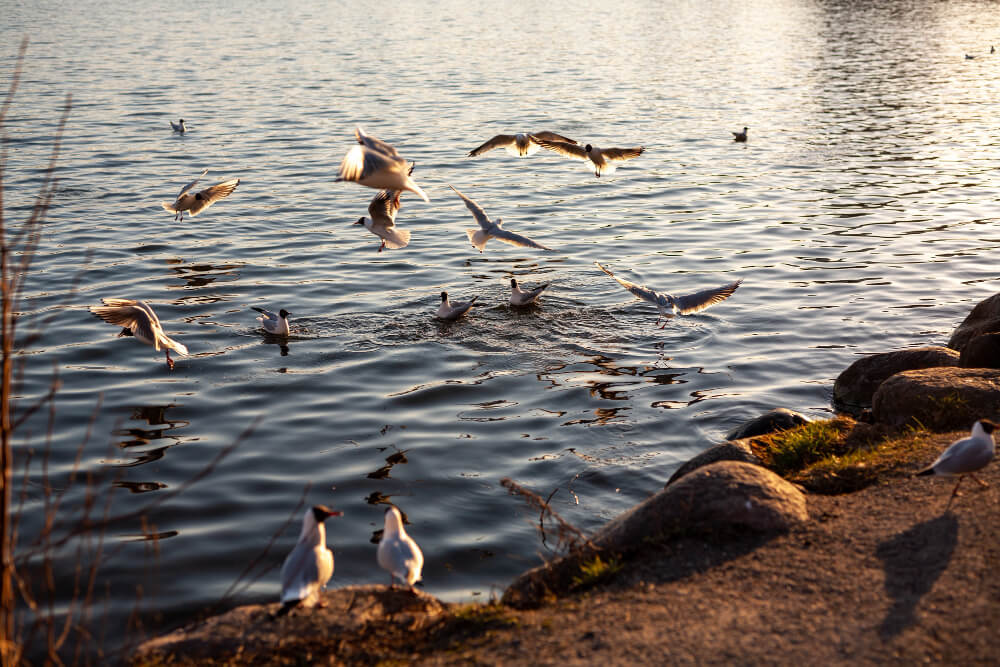
The park is globally renowned for its birdlife, with over 400 species recorded. Lake Manyara is particularly famous for its flamingo populations, which feed on the lake’s abundant algae.
Notable bird species include:
- Lesser and greater flamingos
- African fish eagle
- Pelicans and storks
- Kingfishers and bee-eaters
Birdwatching is excellent year-round, with peak flamingo numbers varying seasonally.
Game Drives and Safari Activities
Classic Game Drives
Game drives in Lake Manyara allow visitors to see a variety of wildlife against iconic backdrops of the Rift Valley escarpment and lake. Early morning and late afternoon drives provide the best light and higher chances of predator sightings.
Scenic Highlights
- Lake shorelines for flamingos and waterbirds
- Acacia forests for elephants and monkeys
- Escarpment viewpoints for panoramic photography
Walking Safaris
Guided nature walks in designated areas allow travelers to explore forest trails, observe smaller mammals, and enjoy intimate encounters with birds and flora.
Best Time to Visit Lake Manyara National Park
Dry Season: June to October
- Ideal for wildlife viewing as animals concentrate near water sources
- Easier access to roads and trails
- Best time for elephant and predator sightings
Wet Season: November to May
- Lush green landscapes and fewer tourists
- Excellent for birdwatching, including migratory species
- Some roads may be muddy and less accessible
Accommodation in Lake Manyara National Park
Lodges and Safari Camps
The park offers a range of accommodation options suitable for different budgets:
- Luxury lodges with lake or forest views
- Mid-range lodges and tented camps
- Budget-friendly guesthouses and campsites
Many lodges provide easy access to game drives, walking safaris, and photographic viewpoints.
Travel Tips for Visiting Lake Manyara National Park
Plan Around Wildlife
Focus on areas near the lake and forest edges for elephant and lion sightings.
Pack Essentials
- Neutral-colored clothing
- Binoculars and cameras
- Comfortable hiking shoes
- Sun protection and hats
Respect Wildlife
Maintain safe distances, follow guide instructions, and avoid disturbing resting or feeding animals.
Why Visit Lake Manyara National Park
Lake Manyara National Park offers a compact yet diverse safari experience, combining iconic wildlife, including tree-climbing lions and flamingos, with breathtaking scenery of the Rift Valley. Its accessibility, rich biodiversity, and photogenic landscapes make it an ideal destination for families, first-time safari travelers, and photography enthusiasts.
Frequently Asked Questions
What makes Lake Manyara unique?
It is famous for tree-climbing lions, flamingos, and a variety of habitats within a compact park.
How many days are ideal for visiting Lake Manyara?
A one- to two-day visit is sufficient to explore key highlights.
Can Lake Manyara be combined with other parks?
Yes, it is often combined with Tarangire, Ngorongoro, and Serengeti for northern Tanzania safaris.
Is Lake Manyara suitable for families and beginners?
Yes, its accessibility, small size, and variety of wildlife make it ideal for all visitors.
Lake Manyara National Park is a must-visit safari destination in Tanzania, offering unforgettable wildlife experiences, stunning Rift Valley vistas, and diverse birdlife. From pink flamingo shores to tree-climbing lions and elephant herds, it delivers a uniquely scenic and wildlife-rich safari experience. Whether for photography, family adventures, or classic safari exploration, Lake Manyara is a highlight of northern Tanzania.