
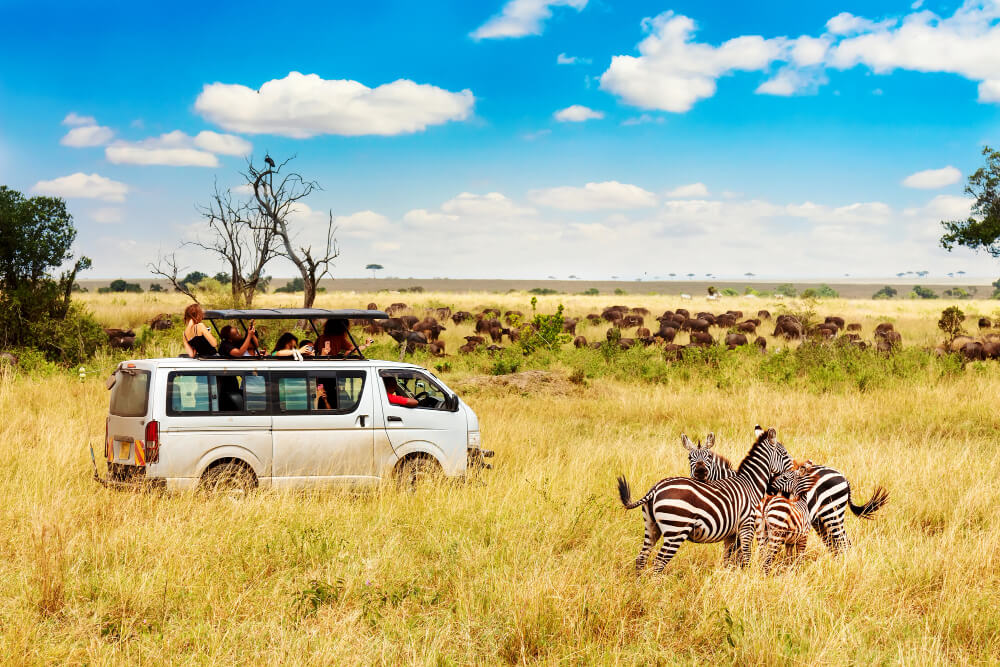
About Akagera National Park
Akagera National Park is Rwanda’s premier savannah wildlife destination, offering visitors the chance to experience the Big Five, diverse birdlife, and stunning landscapes of rolling hills, lakes, and wetlands. Located in eastern Rwanda along the Tanzanian border, Akagera spans approximately 1,122 square kilometers and represents a successful model of conservation and wildlife restoration in East Africa.
The park is perfect for wildlife enthusiasts, photographers, and travelers seeking a classic African safari experience outside the country’s rainforest regions.
Location and Landscape of Akagera National Park
Eastern Rwanda Savannah
Akagera National Park lies in the eastern part of Rwanda, characterized by wide-open savannah plains, acacia woodlands, and rolling hills. The park’s grasslands and wetlands provide ideal habitats for large mammals and a rich variety of bird species.
Lakes and Wetlands
The park includes a series of freshwater lakes and rivers, such as Lake Ihema, which attract hippos, crocodiles, and countless waterbirds. Wetlands and papyrus swamps enhance biodiversity and provide excellent photography opportunities.
Diverse Habitats
Akagera combines several ecosystems:
- Savannah plains for elephants, giraffes, and antelopes
- Wetlands and lakes for hippos, crocodiles, and birdlife
- Riverine forests and acacia woodlands
- Rolling hills and rocky outcrops
This variety supports over 90 mammal species and 500 bird species, making it Rwanda’s most biodiverse savannah park.
Wildlife in Akagera National Park
The Big Five
Akagera National Park is home to the Big Five: lions, leopards, elephants, buffaloes, and black rhinos. Conservation efforts over the past two decades have successfully restored populations of lions and rhinos, enhancing the park’s appeal for safari travelers.
Plains Game
Visitors can also encounter:
- Zebras and impalas
- Topis and waterbucks
- Giraffes browsing acacias
- Hippopotamuses in rivers and lakes
Predators
Predators are active and abundant, including:
- Lions prowling the savannah
- Leopards (mostly elusive, in forested areas)
- Hyenas and jackals
Game drives provide excellent chances for close-up photography and wildlife observation.
Birdlife in Akagera National Park
Birdwatching Hotspot
Akagera is a birdwatcher’s paradise, with over 500 species recorded. Notable species include:
- African fish eagle
- Shoebill stork
- Lilac-breasted roller
- Grey crowned crane
- Lesser flamingos along lake shores
Birding is especially rewarding during the wet season when migratory species arrive.
Safari Activities in Akagera National Park
Game Drives
Game drives are the main activity and allow visitors to explore:
- Grasslands and savannahs for large mammals
- Wetlands for hippos, crocodiles, and birdlife
- Forest patches for leopards and primates
Early mornings and late afternoons offer the best light and highest chance of wildlife sightings.
Boat Safaris
Boat trips on Lake Ihema provide close encounters with hippos, crocodiles, and a rich diversity of aquatic birds. These cruises are ideal for photography and observing wildlife from a safe distance.
Walking Safaris
Guided walks allow for intimate exploration of the park’s ecosystems, focusing on smaller mammals, birds, and plants.
Best Time to Visit Akagera National Park
Dry Season: June to September and December to February
- Ideal for game viewing as wildlife congregates around water sources
- Roads are more accessible for vehicles
- Excellent for photography and wildlife observation
Wet Season: March to May and October to November
- Lush green landscapes
- Fewer tourists for a quieter experience
- Birdwatching peaks with the arrival of migratory species
- Some roads may be slippery and challenging
Accommodation in Akagera National Park
Lodges and Camps
Akagera offers a range of accommodations to suit different preferences:
- Luxury lodges with lake or savannah views
- Mid-range safari lodges and tented camps
- Budget-friendly campsites and eco-lodges
Many lodges provide guided game drives, boat trips, and sunrise or sunset wildlife excursions.
Travel Tips for Visiting Akagera National Park
Plan Around Wildlife
Target areas near lakes and savannahs for the best wildlife sightings.
Pack Essentials
- Neutral-colored safari clothing
- Binoculars and cameras
- Comfortable walking shoes
- Sun protection and water
Respect Wildlife
Follow park regulations, maintain safe distances, and avoid disturbing feeding or resting animals.
Why Visit Akagera National Park
Akagera National Park is a must-visit safari destination in Rwanda, offering classic African savannah experiences, the Big Five, abundant birdlife, and scenic lakes and wetlands. Its successful conservation story, combined with rich biodiversity and accessibility, makes it ideal for families, photographers, and first-time safari travelers.
Frequently Asked Questions
What wildlife is Akagera National Park famous for?
It is renowned for elephants, lions, rhinos, hippos, giraffes, and abundant birdlife.
How many days are ideal for visiting Akagera?
Two to three days are sufficient to explore game drives, boat safaris, and birdwatching.
Can Akagera be combined with other Rwanda safaris?
Yes, it is often combined with Volcanoes National Park, Nyungwe Forest, and Lake Kivu excursions.
Is Akagera suitable for families and beginner safari-goers?
Yes, the park’s accessibility, diversity of wildlife, and safe guided activities make it ideal for all visitors.
The National Park is Rwanda’s premier savannah wildlife destination, offering unforgettable encounters with elephants, lions, and rhinos, along with spectacular landscapes of lakes, wetlands, and rolling hills. From thrilling game drives to serene boat trips and birdwatching, Akagera delivers a complete African safari experience for wildlife enthusiasts, families, and adventure travelers alike.