
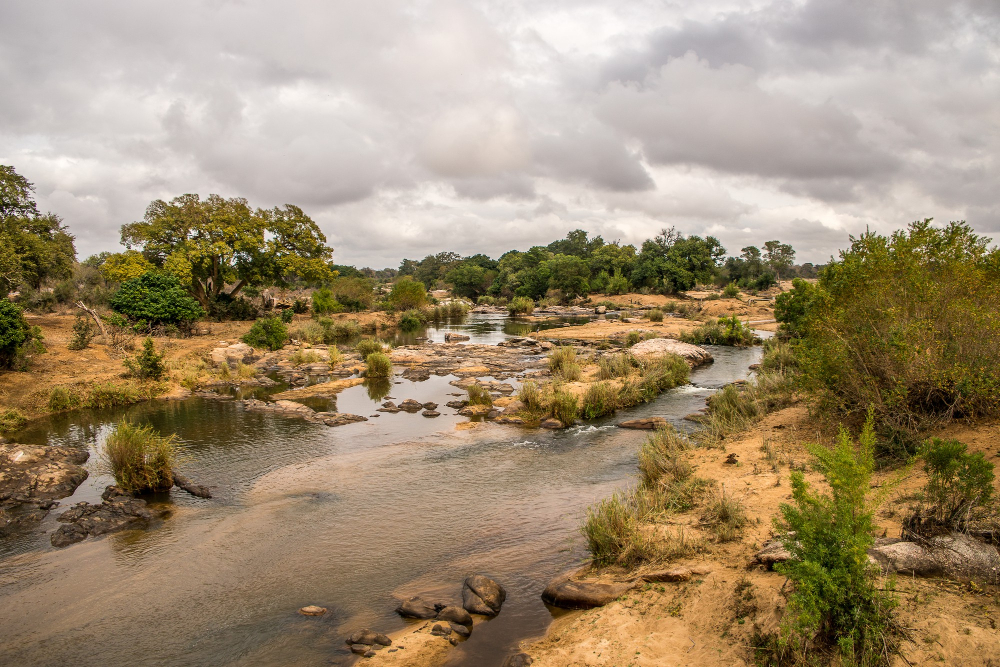
About Ngorongoro Crater
Ngorongoro Crater is one of the most iconic safari destinations in Africa, offering a unique combination of wildlife abundance, breathtaking scenery, and geological wonder. Located in northern Tanzania, this massive volcanic caldera forms a natural enclosure for wildlife, providing some of the best game viewing experiences on the continent.
Part of the Ngorongoro Conservation Area, a UNESCO World Heritage Site, the crater spans approximately 260 square kilometers and is home to a rich diversity of animals, including the Big Five and a variety of birds. Its scenic landscapes, combined with abundant wildlife, make it a must-visit destination on any northern Tanzania safari.
Location and Geological Features of Ngorongoro Crater
The World’s Largest Intact Volcanic Caldera
Ngorongoro Crater was formed over 2.5 million years ago when a massive volcano erupted and collapsed. The caldera is nearly 20 kilometers in diameter, with a depth of approximately 600 meters, creating a natural enclosure that supports year-round wildlife populations.
Landscapes and Habitats
The crater floor features a mix of:
- Grasslands and savannah plains
- Swamps and freshwater lakes
- Acacia woodlands
- Rocky outcrops and ridges
This diversity of habitats allows for exceptional wildlife viewing and supports both predators and herbivores.
Wildlife in Ngorongoro Crater
The Big Five and More
Ngorongoro is home to a wide range of wildlife species, including:
- Lions, leopards, and cheetahs
- African elephants and Cape buffaloes
- Black and white rhinoceroses
- Hippos in crater lakes
Herbivores such as zebras, wildebeests, and Thomson’s gazelles thrive on the crater floor, attracting predators year-round.
Birdlife
The crater also hosts over 500 bird species, including:
- Flamingos on soda lakes
- African fish eagles
- Secretary birds
- Lilac-breasted rollers
Birdwatching is excellent, especially near wetland areas and crater lakes.
Safari Activities in Ngorongoro Crater
Game Drives
Descending into the crater for a full-day game drive is the primary safari activity. Visitors can expect:
- Close encounters with elephants, lions, and rhinos
- Opportunities to observe predator-prey interactions
- Photographic moments against a backdrop of volcanic scenery
Early morning departures maximize wildlife sightings and provide optimal lighting for photography.
Cultural Experiences
The Maasai communities surrounding the crater offer cultural encounters where visitors can learn about:
- Traditional Maasai lifestyle and pastoralism
- Cattle herding and ceremonial dances
- Local crafts and jewelry
These experiences complement wildlife safaris with cultural immersion.
Best Time to Visit Ngorongoro Crater
Dry Season: June to October
- Ideal for game viewing as animals congregate around water sources
- Easier road conditions and safer crater access
- Excellent for photography
Wet Season: November to May
- Lush green landscapes and fewer tourists
- Some roads may be muddy or impassable
- Birdwatching is particularly rewarding during rains
Accommodation Around Ngorongoro Crater
Lodges, Camps, and Luxury Stays
Visitors can choose from a variety of accommodations near the crater rim:
- Luxury lodges with panoramic crater views
- Mid-range safari lodges and tented camps
- Budget lodges in nearby Ngorongoro Conservation Area villages
Many lodges provide guided safari drives, cultural visits, and sunrise or sunset crater views.
Travel Tips for Visiting Ngorongoro Crater
Plan for Early Morning Safari Drives
Wildlife is most active in the morning and late afternoon. Early starts increase the likelihood of spotting predators and capturing the best light for photography.
Pack Essentials
- Binoculars and cameras
- Neutral-colored safari clothing
- Comfortable walking shoes
- Sun protection, hats, and water
Respect Wildlife and Park Guidelines
Visitors must maintain safe distances from wildlife, follow ranger instructions, and observe conservation rules to protect the fragile ecosystem.
Why Visit Ngorongoro Crater
Ngorongoro Crater offers an unparalleled safari experience, combining breathtaking scenery with dense wildlife populations in a single location. Its accessibility, concentration of animals, and photographic opportunities make it a highlight of any Tanzania safari. Whether it’s witnessing rhinos grazing, lions hunting, or elephants roaming beneath the volcanic cliffs, Ngorongoro provides a truly iconic African wildlife encounter.
Frequently Asked Questions
What wildlife can I expect to see in Ngorongoro Crater?
Visitors can see the Big Five, hippos, zebras, wildebeests, and numerous bird species, all within a single day.
How many days are recommended for Ngorongoro?
A full-day visit inside the crater is standard, though combining it with nearby Serengeti or Tarangire extends the safari experience.
Is Ngorongoro suitable for families and first-time safari travelers?
Yes, its well-maintained roads, guided drives, and abundant wildlife make it ideal for families and beginners.
Can I combine a Ngorongoro visit with cultural experiences?
Yes, Maasai villages near the crater offer cultural tours showcasing traditional lifestyles, dances, and crafts.
Ngorongoro Crater stands as one of Africa’s most iconic safari destinations, offering dense wildlife populations in breathtaking volcanic scenery. From lions and elephants to flamingos and Maasai cultural encounters, it provides a unique combination of adventure, photography, and natural wonder. For travelers seeking a quintessential East African safari experience, Ngorongoro Crater is an unmissable highlight.