
About Tarangire National Park
Tarangire National Park is one of Tanzania’s most iconic wildlife destinations, celebrated for its large elephant herds, striking baobab trees, and rich biodiversity. Located in northern Tanzania, south of Lake Manyara, Tarangire offers a classic safari experience with fewer crowds than Serengeti or Ngorongoro, making it perfect for travelers seeking intimate wildlife encounters.
Covering approximately 2,850 square kilometers, the park is named after the Tarangire River, a lifeline that sustains wildlife, particularly during the dry season, and its landscapes are defined by open savannahs, seasonal swamps, and rolling hills dotted with ancient baobabs.
Location and Landscape of Tarangire National Park
The Tarangire River
The Tarangire River is central to the park’s ecosystem, attracting wildlife year-round, particularly during dry months from June to October. The river creates lush riparian zones where elephants, buffaloes, and other mammals congregate.
Iconic Baobab Forests
Tarangire is famous for its towering baobab trees, some over a thousand years old. These “upside-down trees” provide iconic photography backdrops and are integral to the park’s unique landscape.
Diverse Habitats
The park encompasses:
- Floodplains and seasonal swamps
- Acacia woodlands
- Open grasslands
- Rocky kopjes and hillocks
This variety supports diverse flora and fauna, offering year-round wildlife viewing opportunities.
Wildlife in Tarangire National Park
Elephants: The Star Attraction
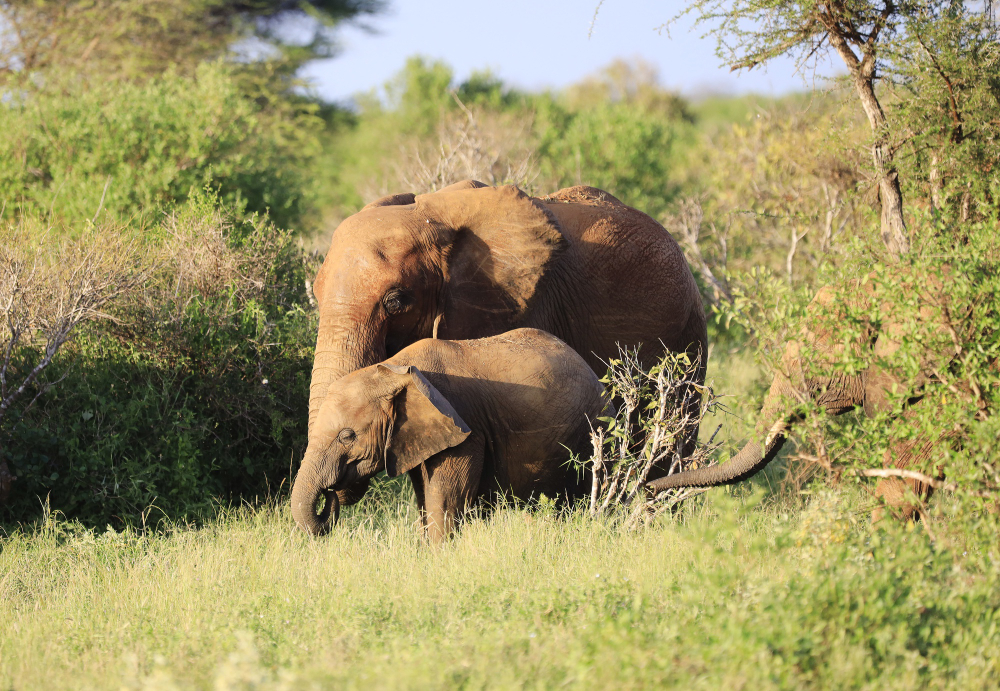
Tarangire hosts one of Tanzania’s largest elephant populations, often in herds exceeding 300 individuals. These majestic animals are a highlight of every safari.
Predators and Big Cats
While elephants dominate the landscape, Tarangire is also home to:
- Lions
- Leopards
- Cheetahs
- Hyenas and jackals
Predators are more elusive than in Serengeti, but sightings are frequent near riverine forests and open plains.
Plains Game
Other commonly seen species include:
- Buffaloes and zebras
- Giraffes browsing acacias
- Impalas, waterbucks, and oryx
- Lesser kudu and elands
The park’s smaller size allows for excellent, close-up wildlife viewing.
Birdlife in Tarangire National Park
A Birdwatcher’s Paradise
Tarangire is home to over 550 bird species, making it a top destination for birding enthusiasts. Notable species include:
- Yellow-collared lovebird
- African fish eagle
- Lilac-breasted roller
- African pygmy kingfisher
Migratory species arrive during the wet season, adding further diversity to the park’s avifauna.
Game Drives and Safari Activities
Classic Safari Game Drives
Game drives in Tarangire provide excellent opportunities to view wildlife against iconic backdrops of elephants and baobabs. Early mornings and late afternoons are ideal for predator activity and photography.
Full-Day Excursions
Full-day game drives allow visitors to explore remote areas of the park, including floodplains and hilltops, increasing the chance of spotting big cats and large elephant herds.
Walking Safaris and Nature Exploration
Guided Bush Walks
Guided walking safaris offer an immersive experience, allowing travelers to observe smaller wildlife, track animals, and learn about the park’s ecology from professional guides.
Photographic Highlights
The combination of elephants, baobabs, acacia-dotted plains, and dramatic skies makes Tarangire a photographer’s dream, especially during sunrise and sunset.
Best Time to Visit Tarangire National Park
Dry Season: June to October
- Wildlife concentrates around the Tarangire River
- Excellent visibility and easy game drives
- Optimal for elephant and predator sightings
Wet Season: November to May
- Lush green scenery
- Fewer tourists and lower accommodation costs
- Birdwatching is at its peak, though some areas may be less accessible due to rains
Accommodation in Tarangire National Park
Lodges, Camps, and Tented Safaris
Accommodation ranges from luxury lodges to budget-friendly campsites, often with panoramic views of the park. Options include:
- Upscale lodges with riverfront views
- Mid-range safari lodges and tented camps
- Budget campsites for a more adventurous experience
Many lodges are strategically located for early morning and evening game drives.
Travel Tips for Visiting Tarangire National Park
Plan Around Wildlife Movements
Visiting during the dry season ensures close encounters with large elephant herds and other wildlife concentrated near water sources.
Pack Essentials
- Neutral-colored safari clothing
- Binoculars and cameras
- Sunscreen and hats
- Sturdy shoes for bush walks
Respect Wildlife
Maintain safe distances from animals, follow guide instructions, and do not disturb nesting birds or grazing herds.
Why Visit Tarangire National Park
Tarangire National Park offers a classic safari experience with fewer crowds, incredible elephant sightings, striking baobab landscapes, and rich biodiversity. Its accessibility, scenic beauty, and peaceful atmosphere make it an ideal complement to the more famous Serengeti and Ngorongoro safari circuits.
Frequently Asked Questions
What is Tarangire National Park famous for?
It is renowned for its large elephant herds, ancient baobabs, and diverse wildlife.
How many days are ideal for a Tarangire safari?
Two to three days allow ample time for game drives and walking safaris.
Can Tarangire be combined with other northern Tanzania parks?
Yes, it is often combined with Lake Manyara, Serengeti, and Ngorongoro Crater for multi-destination safaris.
Is Tarangire suitable for families and first-time safari travelers?
Yes, the park’s accessibility and abundant wildlife make it ideal for families and beginners.
Tarangire National Park is a hidden gem of northern Tanzania, offering unforgettable encounters with elephants, diverse predators, and iconic landscapes filled with baobabs and acacias. Its peaceful environment, scenic beauty, and abundant wildlife make it a must-visit destination for anyone exploring East Africa. Whether for wildlife photography, birding, or classic safari adventures, Tarangire delivers a quintessential African safari experience.