
About Lake Nakuru National Park
Lake Nakuru National Park is one of Kenya’s most visited and iconic safari destinations, renowned for its spectacular birdlife, including vast flamingo populations, and its rich diversity of mammals. Located in the Great Rift Valley, the park is centered around Lake Nakuru, a shallow alkaline lake that provides vital habitats for thousands of birds and wildlife.
Covering approximately 188 square kilometers, Lake Nakuru National Park combines dramatic landscapes with dense woodlands, grasslands, and rocky escarpments, offering one of East Africa’s most photogenic and wildlife-rich safari experiences.
Location and Landscape of Lake Nakuru National Park
The Great Rift Valley Lake
Lake Nakuru lies within the Rift Valley basin, surrounded by hills and escarpments that create stunning panoramic views. The lake itself is alkaline, attracting a huge variety of aquatic birds, particularly the famous flamingos, which often blanket the shoreline in pink.
Diverse Habitats
The park’s varied landscapes include:
- Grasslands and open plains
- Riverine forests and woodlands
- Cliffs and rocky hills
- Wetlands and papyrus swamps
These habitats support a wide range of wildlife, from rhinos to rare bird species.
Wildlife in Lake Nakuru National Park
Big Mammals
Lake Nakuru is particularly famous for its rhino populations, both black and white. Visitors can also see:
- Buffaloes grazing the grasslands
- Rothschild giraffes browsing acacia trees
- Zebras and impalas roaming the plains
- Waterbucks and warthogs near the lake shores
The park’s size makes it ideal for easy game viewing, with animals often close to roads and observation points.
Predator Species
While predator sightings are less frequent than in Maasai Mara or Serengeti, the park is home to:
- Lions resting on kopjes
- Leopards (elusive)
- Hyenas and jackals
These predators play a crucial role in the park’s ecosystem.
Birdlife in Lake Nakuru National Park
A Birdwatcher’s Heaven
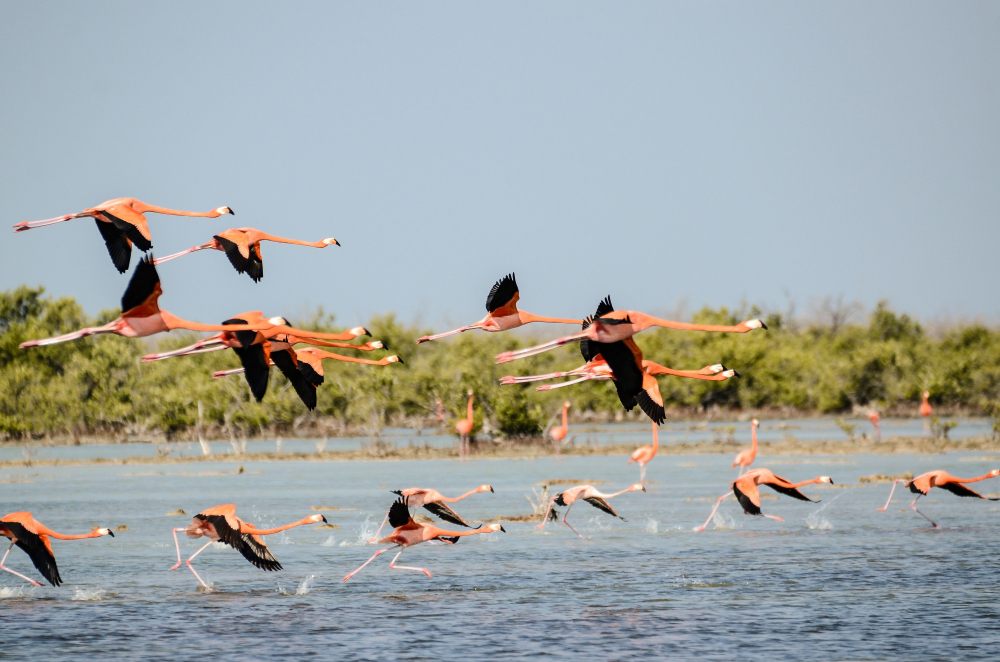
Lake Nakuru is globally famous for its birdlife, particularly its flamingo populations, which can number in the hundreds of thousands during peak seasons. The lake is also home to more than 400 bird species, including:
- Great white pelicans
- African fish eagles
- Malachite kingfishers
- Sacred ibises
- African spoonbills
Birdwatching here is exceptional throughout the year, with seasonal variations attracting different species.
Flamingo Spectacle
The lake’s shallow alkaline waters provide a rich source of algae, the primary food for lesser flamingos, resulting in awe-inspiring pink waves along the shores. This is one of Africa’s most iconic wildlife spectacles.
Game Drives in Lake Nakuru National Park
Easy and Accessible Wildlife Viewing
Lake Nakuru is ideal for game drives, offering excellent sightings even on short trips. The park’s compact size and well-maintained roads allow visitors to see a variety of wildlife without long drives.
Must-Visit Areas
- Baboon Cliff: Panoramic views over Lake Nakuru and flamingo gatherings
- Makalia Falls: Scenic waterfall and wildlife spotting
- Lake Shore: Excellent for bird photography and rhino sightings
Early morning and late afternoon drives provide the best light and more active wildlife.
Nature Walks and Scenic Exploration
Walking Trails
Guided walks in designated areas allow visitors to experience the park’s forest and grassland habitats on foot. These walks provide opportunities to observe birds, smaller mammals, and unique flora up close.
Photographic Opportunities
The combination of wildlife, lake vistas, and escarpments makes Lake Nakuru a photographer’s paradise. Sunrise and sunset light enhance the flamingo flocks and reflections on the water.
Best Time to Visit Lake Nakuru National Park
Year-Round Wildlife Viewing
Lake Nakuru offers good wildlife viewing throughout the year, but certain periods are ideal:
- Dry Season (June to October, January to February): Easy access to roads and active wildlife
- Wet Season (March to May, November): Lush green landscapes and fewer tourists, though some areas may be muddy
Flamingo Peaks
Flamingo numbers peak when water levels and algae abundance are optimal, usually following rains.
Accommodation in Lake Nakuru National Park
Lodges and Safari Camps
The park offers a variety of accommodation options, including:
- Luxury lodges with lake views
- Mid-range safari lodges
- Budget-friendly guesthouses and campsites
Many lodges are strategically located to allow early morning and evening wildlife viewing.
Travel Tips for Visiting Lake Nakuru National Park
Plan Your Wildlife Route
Even though the park is compact, prioritizing key areas like Baboon Cliff and Makalia Falls ensures the best sightings.
Pack Essentials
Recommended items include:
- Binoculars and cameras
- Neutral-colored clothing
- Sun protection and hats
- Waterproof shoes in the wet season
Respect Wildlife
Maintain safe distances, follow park rules, and avoid disturbing nesting birds and grazing animals.
Why Visit Lake Nakuru National Park
Lake Nakuru National Park offers a unique safari experience, combining the spectacle of flamingos with rhinos, diverse birdlife, and scenic landscapes. Its accessibility, rich wildlife, and photogenic vistas make it perfect for families, photographers, and travelers seeking a serene yet wildlife-rich safari.
Frequently Asked Questions
What is the main attraction of Lake Nakuru National Park?
The lake is famous for its flamingos and rhino populations, offering iconic wildlife viewing opportunities.
How many days are ideal for visiting Lake Nakuru?
A one- to two-day visit is sufficient to see major highlights and enjoy game drives.
Can Lake Nakuru be combined with other parks?
Yes, it is often combined with Maasai Mara, Lake Naivasha, or Amboseli for multi-destination safaris.
Is Lake Nakuru suitable for families and first-time safari travelers?
Yes, the park’s compact size and accessible roads make it ideal for families and beginners.
Lake Nakuru National Park is a must-visit destination in Kenya, offering spectacular birding, easy wildlife viewing, and dramatic landscapes. From pink flamingo shores to rhino sightings on the grasslands, it delivers a uniquely scenic and wildlife-rich safari experience. For travelers seeking beauty, diversity, and unforgettable photography opportunities, Lake Nakuru remains a highlight of Kenya’s safari circuit.